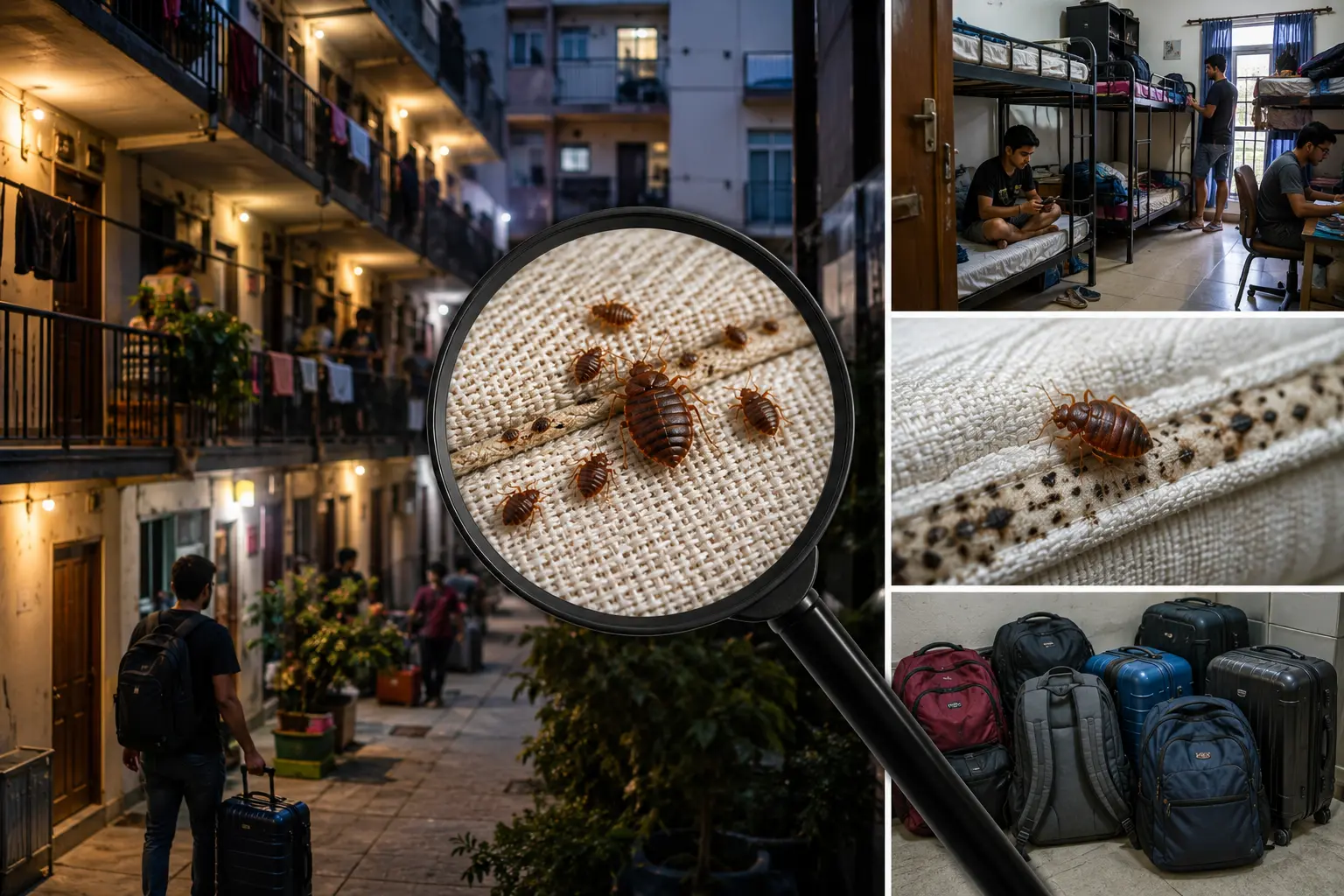
Bed bugs don’t care how clean you are, how much you pay in rent, or how new the building is. If you live with neighbors above, below, or next to you, the risk of bed bugs in apartments is simply higher than in stand-alone homes.
Understanding why shared buildings and budget stays are so vulnerable helps you protect your space before a small problem becomes a full-blown headache. Let’s break down what really makes these environments such a hotspot for bed bugs and what you can realistically do about it.
In multi-unit buildings, bed bugs get more chances to hitchhike from one person’s belongings to another’s. A visitor from an infested flat can bring insects on clothing or luggage, and those pests don’t respect unit boundaries.
Once they’re inside, they can move through tiny gaps around pipes, under doors, and inside wall voids, which is why bed bug infestation apartments often start in one unit and quietly spread to several more before anyone realizes what’s going on.
Most people picture bed bugs only on mattresses, but in reality they’re experts at using a building’s structure. Electrical conduits, plumbing chases, cracks in floorboards, and even shared laundry rooms can all become highways for these insects.
On top of that, rental property bed bugs can be introduced over and over again through move-ins, second-hand furniture, and traveling tenants who unknowingly bring insects home in their suitcases.
Look around a typical unit and you’ll see plenty of potential entry points: gaps around baseboards, loose electrical covers, unsealed radiator pipes, and shared ventilation shafts that connect rooms and levels.
Without consistent apartment pest management, these small openings are rarely sealed, which means bed bugs can slowly crawl from unit to unit even if only one tenant has an obvious problem.
Once bed bugs are established in a single flat, they start to spread outward in search of new hiding spots and blood meals, especially if the original tenant starts using DIY sprays that simply push them deeper into walls.
This is why effective apartment pest control almost always needs to be coordinated at the building level rather than leaving each tenant to fight their own isolated battle.
Hostels tend to have a constant stream of new guests, shared sleeping spaces, and plenty of luggage moving in and out, which naturally raises the risk of hostel bed bugs appearing without anyone noticing at first.
In any shared accommodation bed bugs can spread quickly because beds are close together, belongings are often piled in the same area, and visitors from different cities and countries share the same furniture in rapid rotation.
Frequent check-ins and check-outs mean staff may not have enough time between guests to spot and treat early signs of bed bugs, especially during busy travel seasons.
Even well-managed hostel pest control programs can struggle when guests don’t report bites, or when backpacks and suitcases are stored directly on mattresses or under bunks.
Standalone houses usually have one family, one sleeping area, and fairly clear responsibility for maintenance, but bed bugs in apartments and hostels sit at the intersection of multiple people, shared walls, and sometimes unclear accountability.
In dense buildings, it’s harder to figure out exactly where the insects started, who’s responsible for treatment, and how far they’ve already moved through common areas like hallways and utility rooms.
Tenants sometimes feel embarrassed or afraid they’ll be blamed, so they wait to report what they’re seeing, which gives insects extra time to settle into the walls and floors.
On the other side, owners may hesitate to authorize thorough apartment pest management until they’re sure there’s a serious problem, and that delay makes treatments more complicated and expensive.
Bed bugs don’t care if a unit is spotless or messy, but heavy clutter can hide early signs, which affects the overall level of apartment hygiene and makes inspections slower and less accurate.
A clean, organized unit can still get infested, yet it’s easier to monitor bedding, sofas, and skirting boards when laundry isn’t piled up and storage areas are not overflowing.
Good prevention starts with simple, boring habits that become part of your routine, long before you ever see a bug or a bite on your skin.
By building a plan for bed bug prevention in apartments, you can dramatically lower the risk that a single introduction turns into weeks of stress, complaints, and costly treatments.
Inspect mattresses, bed frames, and sofa seams monthly with a flashlight, paying close attention to dark spots, shed skins, or tiny reddish stains near where you sleep.
Use protective encasements on mattresses and box springs, and avoid bringing in second-hand upholstered furniture unless it’s been professionally inspected for bed bug spread from the previous location.
Keep beds pulled a few inches away from the wall so linens don’t touch baseboards.
Store suitcases on hard surfaces or racks instead of under the bed.
Reduce clutter under beds and in wardrobes to make inspections easier.
Wash and heat-dry bedding and sleepwear regularly on high settings.
Property managers should have a written response plan that spells out who to call, how fast inspections happen, and how treatments will be communicated to everyone affected in the building.
Part of that plan should cover how to document and respond to rental property bed bugs reports, so tenants feel safe speaking up early instead of hoping the problem goes away on its own.
DIY sprays and home remedies might kill a few visible insects, but they rarely reach eggs tucked inside wall voids, headboards, or electrical outlets in multi-unit structures.
In bed bug infestation apartments, effective control usually requires a mix of careful inspection, targeted chemical treatments, and sometimes heat treatments that only trained technicians can safely deliver.
A reputable provider will start with a detailed inspection of affected and neighboring units, looking at beds, sofas, skirting, outlets, and any shared lines where insects could travel.
They’ll explain which methods they’re using, what tenants need to do to prepare, and how follow-up visits fit into the larger apartment pest control strategy for the property.
Smart building owners treat bed bug control as an ongoing part of their maintenance program, not a one-time emergency expense when complaints spike.
Over time, pairing professional inspections with good apartment hygiene standards and clear reporting channels makes infestations smaller, less frequent, and easier to handle.
The biggest lesson is that early action, honest communication, and routine checks make all the difference in shared buildings dealing with bed bugs in apartments or busy hostel-style accommodation.
If you manage or live in a multi-unit property and suspect a problem, don’t wait for it to spread further; reach out to a trusted local pest control provider like Kiran Enterprises to inspect, treat, and protect your space for the long term.
Get a same-day inspection from our certified technicians.
Chat on WhatsAppOr call +91 98452 73699