If you’ve already battled bed bugs once, the idea of needing a second bed bug treatment can feel frustrating and expensive. But that follow-up visit is often the difference between a short-lived win and finally sleeping through the night without bites.
Bed bugs are stubborn, patient insects with a life cycle that doesn’t line up neatly with a single service. Understanding why two treatments are usually needed helps you plan properly, avoid false confidence, and work with your technician instead of against the process.
Most people expect pest control to be a one-and-done fix, but bed bugs play by different rules. The products and methods used are highly effective on active bugs, yet they’re not always able to destroy every hidden pocket in just one attempt.
In many homes, a follow-up bed bug treatment catches stragglers that were protected inside walls, furniture seams, or deep in mattress tufts during the first visit. That second appointment also gives the technician a chance to inspect fresh signs and adjust the plan based on how the infestation responded.
To understand why two visits are standard, it helps to look at how these insects develop. Bed bugs move from egg to nymph to adult, and each stage has slightly different vulnerabilities to heat, dusts, and liquid products.
A well-planned bed bug lifecycle treatment is built around this timing, usually spacing visits about 10–14 days apart. That window allows newly hatched nymphs from previously protected eggs to emerge so they can contact treated surfaces and be eliminated before they mature and start laying more eggs of their own.
It’s common to worry that treatment failed if you see a live bug or a fresh bite in the days after service. In truth, some activity is expected as insects are flushed from hiding places and move through treated zones.
Customers are often surprised to spot bed bug eggs after treatment, especially in tight cracks, behind headboards, or inside screw holes. In many cases, those eggs were already there but simply easier to notice after clutter is reduced and mattresses are encased.
Most professional plans explain that bites should steadily decline over one to three weeks, not disappear overnight. You may see a few slow-moving bugs as they cross treated areas and die off.
During this window, the pest control follow-up is critical because the technician can distinguish between normal residual activity and signs of reintroduction from guests, neighboring units, or secondhand furniture.
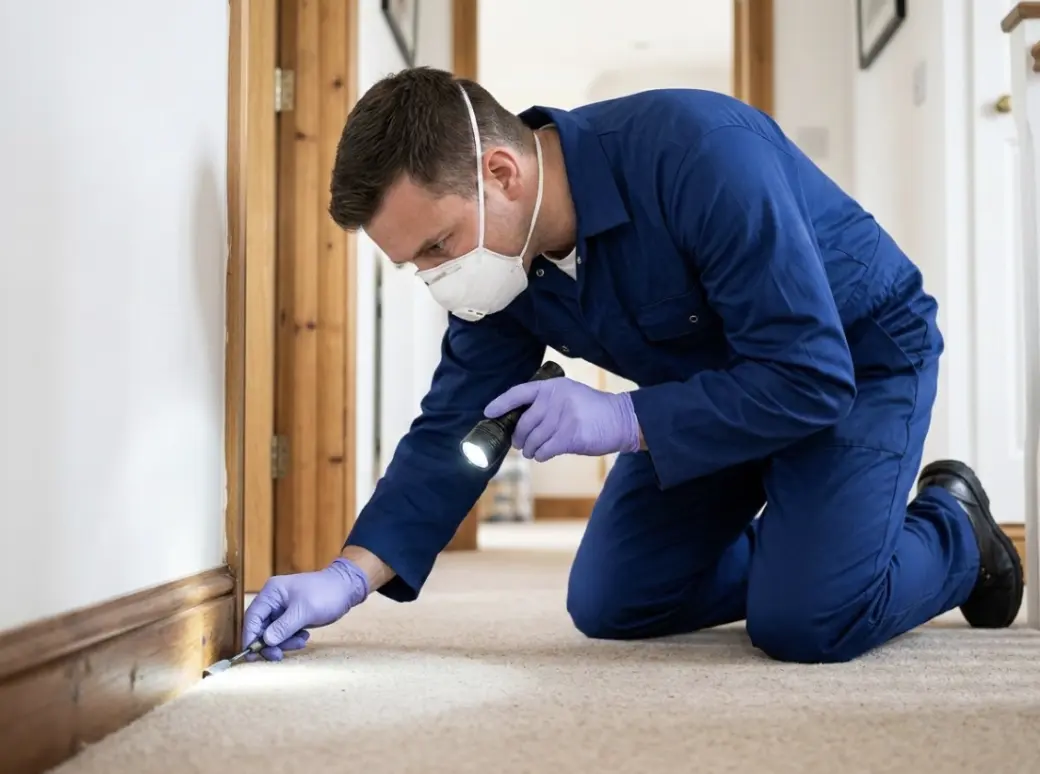
That return visit isn’t just a quick check; it’s a structured part of a professional bed bug service. Technicians bring notes, diagrams, and photos from the first appointment so they can compare what’s changed and what still needs attention.
In many homes, the second appointment focuses on areas where bugs or fresh droppings were recently found and adjusts product placement if beds or furniture have been moved. This fine-tuning step is often what turns a partial win into complete bed bug removal.
Most companies follow a clear bed bug extermination process so no critical areas are missed. You’ll typically see a careful reinspection of beds, couches, baseboards, and electrical outlets, followed by targeted spot treatments.
Some technicians also use monitors or climb-up interceptors on bed legs between visits to track whether any bugs are still trying to reach you at night, which helps verify treatment effectiveness.
Even the best technician can only treat what they can reach, so your prep work matters more than most people realize. Clear floor space, reduced clutter, and properly bagged laundry can make the difference between success and a lingering problem.
If you’ve had repeat pest control for bed bugs before, you already know that unwashed clothing piles, storage under the bed, and blocked baseboards create safe havens where insects avoid treatment and keep reappearing weeks later.
Good preparation doesn’t need to be complicated, but it does need to be thorough. Bag clothing and linens in sealable bags, wash and dry them on the hottest safe setting, and only bring them back into treated rooms once everything is dry.
Mattress and box spring encasements, regular vacuuming of seams, and careful inspection of bed frames all support bed bug prevention, especially in apartments or shared housing where new introductions are a constant risk.
People often ask how they’ll know if the infestation is really gone and not just hiding again. There isn’t a single magic test, but there are several signs that usually point to success.
If you’ve gone at least 30 days after the second bed bug treatment with no bites, no live sightings, and no new spotting on sheets, you’re likely in the clear. That window covers multiple feeding cycles and hatch-outs from any remaining eggs.
In heavy infestations or multi-unit buildings, a third appointment is sometimes recommended. This doesn’t automatically mean earlier visits failed; it may reflect how large or complex the property is.
Shared laundry rooms, visiting guests, and shifting furniture can reintroduce insects even after careful work, which is why complete bed bug removal in high-traffic environments sometimes takes extra monitoring and treatment.
Once you’ve finally made it through the process, the last thing you want is to start over. A few simple, steady habits can dramatically cut your risk of bringing bed bugs back home from travel, guests, or used furniture.
Regular checks of mattress seams, caution with secondhand items, and keeping beds pulled a few inches from the wall all support long-term treatment effectiveness and reduce the odds of another surprise infestation.
Lasting relief from bed bugs almost never comes from shortcuts, and that’s exactly why a scheduled second bed bug treatment is built into most professional plans. Two thoughtfully timed visits give your technician the chance to break the life cycle, confirm results, and fine-tune any stubborn areas that still show signs of activity.
If you’re tired of guessing and want a clear path to sleeping comfortably again, work with a company like Kiran Enterprises that explains each step, commits to careful follow-up, and treats you as a partner in the process rather than just another service stop.
Get a same-day inspection from our certified technicians.
Chat on WhatsAppOr call +91 98452 73699